
The Unicafurn Journal

Why Utility Carts Are the Smartest Furniture of the Decade
  • Article published at:
  • Article author: Unica Furn
  • Article tag: Inspiration & Trends
  • Article comments count: 0
Why Utility Carts Are the Smartest Furniture of the Decade
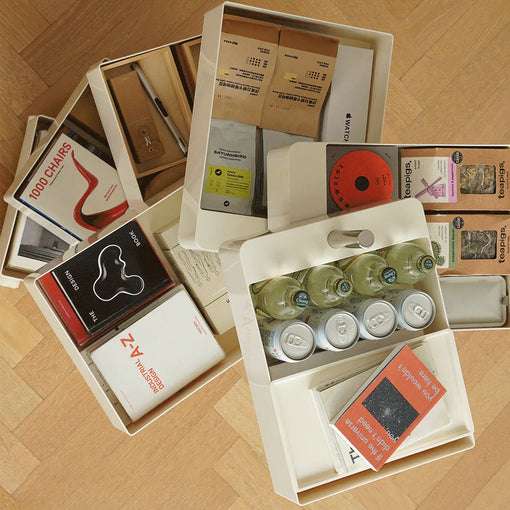
For decades, they were the unsung heroes of the background—silently rolling through hospital hallways, library stacks, and industrial workshops. The utility cart was the definition of pure function: a humble, hardworking tool, but certainly not an object of desire. Then, something shifted. Suddenly, these mobile workhorses are gracing the pages of design magazines and anchoring the most stylish corners of modern homes. They’ve been reimagined in vibrant colors, sculptural forms, and high-end materials. The utility cart hasn’t just been rediscovered; it’s been reborn as a design icon. How did this utilitarian object become one of the chicest, most indispensable pieces of modern furniture? The answer reveals more than just a fleeting trend; it reveals a fundamental shift in how we live. The rise of the utility cart is the story of our collective craving for a life that is more flexible, more personal, and a little more mobile. A Legacy of Motion: From Space Age to Your Space The idea of beautiful, mobile furniture isn’t new. It was born in the optimistic, forward-thinking design labs of the Mid-Century and Space Age eras. Visionaries like Joe Colombo, with his groundbreaking 1970 Boby Trolley, saw the future not as static, but as a fluid, adaptable environment. They believed that our furniture should move with us, adapting to our needs throughout the day. These designers took the industrial logic of the rolling cart and infused it with color, personality, and intelligent design. They proved that a practical object could also be a piece of art. For decades, these pieces were revered by collectors, but now, the philosophy behind them has gone mainstream, driven by the realities of 21st-century life. Why Now? The Three Cultural Shifts Powering the Cart's Comeback The utility cart’s current celebrity status isn’t an accident. It’s the perfect answer to three major cultural shifts in how we live. The End of Fixed Spaces: The era of single-purpose rooms is over. Our living room is also our office, our kitchen is our coffee bar, and our bedroom is our reading nook. In this fluid environment, a static side table can feel like a limiting commitment. A rolling utility cart is the opposite; it’s pure potential. It can be a mobile nightstand one week, a cocktail station for a party the next, and a craft organizer the week after. It’s furniture that embraces the multi-functional nature of the modern home. The Rise of Personal Rituals: We have become curators of our own small joys. Whether it’s a detailed skincare routine, a pour-over coffee setup, or a collection of art supplies, our hobbies and rituals require dedicated stations. A utility cart is the perfect "stage" for these activities. It keeps everything organized, beautifully displayed, and ready to be rolled out when needed, then tucked away when finished. It turns a routine into a refined, enjoyable experience. A Commitment to Flexible Living: For a generation defined by mobility—moving apartments, changing jobs, and embracing remote work—the utility cart is the ultimate piece of "life-proof" designer furniture. It’s an investment that is never wasted. Unlike a bulky sideboard that might not fit your next home, a cart is a compact, versatile companion that is guaranteed to find a useful role in any space. The Unicafurn Vision: When Utility is Crafted with Artistry At Unicafurn, we believe that even the most practical objects in your home deserve to be beautiful and well-made. Our collection of utility carts is a tribute to the visionary designers who first saw the potential in mobile furniture. The Organizational Genius: The UF Take Me Wherever Mobile Storage Cart Inspired by Joe Colombo’s legendary Boby Trolley, this piece is a masterclass in organized creativity. With its swing-out trays and multi-level compartments, it’s designed for those who need their tools at their fingertips—artists, crafters, baristas, or anyone who loves a well-ordered system. It’s a bold, functional statement piece. The Sculptural Statement: The UF Show My Duality Storage Cart A tribute to Luigi Massoni’s 1970s classic, this cart is all about Space Age elegance. Its clean, geometric form, transparent trays, and vibrant color options turn storage into a sculptural moment. It proves that a practical piece can also be the most visually interesting object in the room. Each of our carts is crafted from high-grade, durable materials like premium ABS resin and features whisper-quiet wheels and stable, secure construction. We honor the original designs by ensuring our recreations are not just beautiful, but are built to withstand the rigors of a dynamic, modern life. Conclusion: The Smartest Piece of Furniture You'll Ever Own The utility cart has earned its place as the smartest, most adaptable piece of furniture for the decade. Its comeback isn’t just about retro style; it’s a reflection of our desire for a life that is less rigid, more creative, and beautifully organized. It’s a small piece of furniture that offers a big solution, proving that sometimes, the best designs are the ones that are ready to move with you.   FAQs   1. How do I style a utility cart so it doesn't look like it belongs in an office or a garage? The key is curation. Treat it like a beautiful open shelf. Style it with a mix of functional and decorative items: stack a few beautiful books, add a small plant or a candle, use an elegant tray for smaller items, and stick to a cohesive color palette. 2. What's the difference between a bar cart and a utility cart? A bar cart is a type of utility cart specifically styled for holding bottles, glassware, and cocktail tools. While any utility cart can be used as a bar cart, a dedicated bar cart often features specific elements like wine racks or glass holders. A general utility cart offers more flexible, open storage for a wider range of uses. 3. What should I look for in a high-quality utility cart? Look for three things: sturdy materials (like high-grade ABS plastic or steel), smooth and quiet wheels (casters) that won't scratch your floors, and a stable design that doesn't wobble when you push it. A locking mechanism on the wheels is also a great feature for added stability.
Learn More
My Bedroom, My Rules: How I Designed a Space That Truly Fits Me
  • Article published at:
  • Article author: Unica Furn
  • Article tag: Customer Stories
  • Article comments count: 0
My Bedroom, My Rules: How I Designed a Space That Truly Fits Me
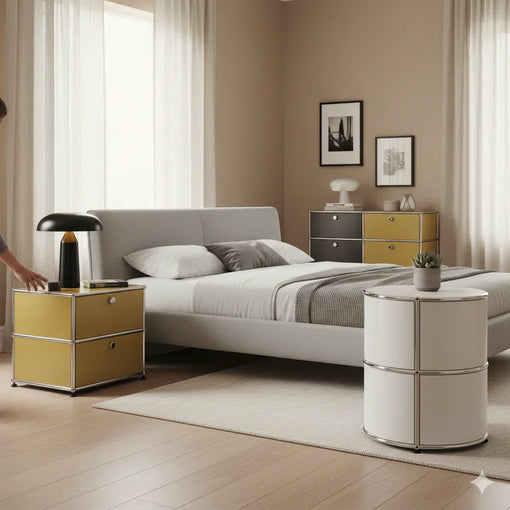
For years, my bedroom felt like it belonged to someone else. It had all the standard parts—a bed, two matching nightstands, a bulky dresser—a generic set I’d bought in a hurry. It was functional, sure, but it wasn’t me. The room was designed around the furniture, instead of the furniture being designed around my life. My life isn’t generic. I’m a night-owl reader with a book collection that’s constantly threatening a hostile takeover. I’m a remote worker who sometimes takes video calls from the quietest corner of my apartment. And I’m a minimalist who despises clutter. The traditional bedroom set, with its rigid forms and wasted space, simply wasn’t working. The bulky dresser was half-empty, yet my books were piled on the floor. I realized I didn’t just want to redecorate; I wanted to reclaim my space. I wanted a bedroom that was a true reflection of my habits, my hobbies, and my rules. This led me to a simple but powerful conclusion: I needed to stop buying furniture and start designing a system. The Discovery: Moving Beyond the Bedroom Set My search for a more intelligent solution led me to the world of modular furniture. It was a complete revelation. The idea that I could choose my own components—open shelves, closed cabinets, drawers, different colors—and combine them to create a custom solution felt like a superpower. I was immediately drawn to the UF Nexus system from Unicafurn. It didn’t look like typical storage; it had the clean lines and high-quality finish of an architectural system. The 8K polished steel and rich panel colors felt sophisticated and intentional. I spent an evening sketching out a plan, not just to store my things, but to create three distinct "zones" within my one small bedroom. The Execution: Building My Multi-Zone Sanctuary Instead of a single, monolithic bedroom set, I used different Nexus configurations to create dedicated areas for sleeping, reading, and getting ready. Here’s how it came together: The Sleep Zone: Calm and Contained My old nightstands were a constant source of frustration. I replaced them with two different, low-profile Nexus cubes. On my side, I built a unit with an open top cube for my current book and a closed cabinet below to hide my laptop and chargers—a built-in digital detox zone. On my partner’s side, a simple, open two-shelf unit holds a water carafe and a few personal items. They don’t match perfectly, but they’re part of the same design family, creating a look that’s cohesive yet perfectly personalized to our individual needs. The Reading Zone: My Personal Library My book pile crisis was solved with a three-bay wide, two-bay high Nexus unit placed against the longest wall. It was low enough not to overwhelm the room, but it provided an incredible amount of storage. I used a mix of open shelves for my favorite novels and two closed cabinets to hide the clutter of magazines and notebooks. The top surface became a beautiful display for plants and a framed print, turning a storage piece into a stylish credenza. The “Get Ready” Zone: A Modern Vanity The bulky dresser was the first thing to go. I realized I didn't need huge drawers for folded sweaters. I replaced it with a slim, vertical Nexus tower. The unit has two small drawers for socks and essentials, and several open shelves above for my perfume bottles and a beautiful ceramic tray for my jewelry. It’s a more elegant, functional, and space-efficient solution that feels like a modern vanity. This collection of bedroom furniture finally felt like it was designed just for me. The Result: A Room That is 100% Mine For the first time, my bedroom feels like a true extension of who I am. Every object has a logical home. The space feels calmer, more organized, and significantly larger, because every piece of furniture is working exactly as hard as it needs to, without any wasted space. The process of designing my own solutions was incredibly empowering. It was a declaration that I don’t have to live with the generic, one-size-fits-all solutions that traditional furniture stores offer. I can create a space that is tailored to my life, my rules. Conclusion: Design Your Space, Design Your Life Your bedroom is your most personal space—it should be the most personalized room in your home. Breaking free from the traditional bedroom set and embracing a modular approach is about more than just organization. It’s about taking control of your environment and creating a sanctuary that truly supports and reflects the life you want to live.   FAQs   1. Is it okay if my partner and I have different nightstands? Absolutely! This is one of the biggest advantages of a modular system. As long as the pieces are from the same design family (like the UF Nexus), having different configurations on each side of the bed can look incredibly stylish and intentional, while perfectly serving each person's individual needs. 2. Can modular furniture be used for clothing storage? Yes. A modular system with a mix of deep drawers, closed cabinets with shelves, and even hanging rails can create a highly efficient and customized wardrobe or dresser, especially for small space bedroom furniture. 3. Does designing your own furniture configuration require special skills? Not at all. The beauty of a system like the UF Nexus is that it's based on simple, intuitive building blocks. You can sketch out your ideas on a piece of paper or use online configurators. It’s a fun and creative process that anyone can do.
Learn More
Why Buying Modular Is a Responsible Design Choice
  • Article published at:
  • Article author: Unica Furn
  • Article tag: The Unicafurn Difference
  • Article comments count: 0
Why Buying Modular Is a Responsible Design Choice
In today's world, we are more conscious than ever of the impact of our choices. We choose sustainable foods, ethical fashion, and energy-efficient technologies. We understand that responsibility is woven into the fabric of our daily decisions. But when it comes to furnishing our homes, what does a truly “responsible” choice look like? It’s a question that goes deeper than just eco-friendly materials or recyclable packaging. A responsible design choice is a holistic one. It considers the entire lifecycle of an object: its durability, its adaptability, its impact on our planet, and its effect on our well-being. It’s a rejection of the “fast furniture” model—a wasteful cycle of temporary, disposable objects. Instead, it’s an embrace of a smarter, more sustainable, and ultimately more fulfilling way of living. At Unicafurn, we believe that choosing a high-quality modular furniture system is one of the most responsible design decisions a modern consumer can make. Here’s why. A Responsibility to Your Space and Your Future A responsible choice is one that endures through change. Traditional furniture is often a rigid, one-time solution for a specific room and a specific need. When your life changes—you move to a new home, your family grows, your guest room becomes an office—that once-perfect piece can become an awkward, ill-fitting burden, often destined for the curb. This is fundamentally wasteful. Modular furniture offers a more responsible path. It Adapts, It Doesn't Get Discarded: A modular system like our UF Nexus is designed for evolution. The shelving unit that served as your media console can be reconfigured into a vertical home office tower. The entryway bench can have tiers added to become a library shelf. This inherent adaptability means you are investing in a system that can serve you for a lifetime, dramatically reducing the waste associated with replacing obsolete furniture. A Responsibility to Your Finances A responsible choice is a smart investment. The low initial price of fast furniture is a false economy. When you factor in the cost of replacing that wobbly bookshelf or sagging dresser every few years, the long-term expense is significantly higher. Investing in a high-quality modular system is an act of financial responsibility. Built with Enduring Materials: We build the UF Nexus system from architectural-grade materials like solid 304 stainless steel and thick, powder-coated steel panels. These are materials chosen for a lifetime of performance, not a few seasons of style. This durability means you buy once, and you buy right. Component-Level Upgrades: If your needs change, you don’t need to buy a whole new piece of furniture. You can simply purchase a new UF Nexus Modular Panel Lock or an extra shelf. This ability to upgrade and expand your system incrementally is a more sustainable and financially responsible way to curate your home over time. A Responsibility to the Planet A responsible choice is one that respects our environment. The modular philosophy is inherently sustainable. Less Waste Through Longevity: The most effective way to reduce waste is to create less of it. By building furniture that is designed to last for decades, not years, we drastically reduce the number of items that end up in landfills. Repair, Don't Replace: A high-quality modular system is a collection of serviceable parts. If a single component gets damaged, it can be replaced without discarding the entire structure. This is a fundamental shift away from a disposable culture. Honest, Recyclable Materials: The core materials of the Nexus system—stainless steel and brass—are among the most recycled materials on earth. This completes the responsible lifecycle, ensuring that even at the end of its very long life, the materials can be reborn into something new. Conclusion: A More Intentional Way of Living Choosing a modular system is more than a practical decision; it's a statement of values. It's a choice to prioritize adaptability over obsolescence, longevity over disposability, and quality over quantity. It’s a commitment to a more responsible, more intentional, and ultimately more beautiful way of living. It’s the choice we believe in.   FAQs   1. How is buying a new modular system more responsible than buying secondhand traditional furniture? While buying secondhand is a fantastic sustainable practice, a high-quality modular system offers a different kind of long-term responsibility. Its key advantage is adaptability. A secondhand dresser may not fit your next home, but a modular system can be reconfigured to fit any space, ensuring it remains useful to you for a much longer period, reducing the chance it will need to be discarded. 2. What makes the Unicafurn Nexus system a particularly responsible choice? Our commitment to responsibility is in our material and design choices. We use architectural-grade, highly recyclable materials like 304 stainless steel. We engineer our components for a lifetime of disassembly and reassembly. And we are committed to long-term spare part support, ensuring your system can be repaired and upgraded for years to come. 3. Does a "responsible" choice mean a compromise on style? Not at all. We believe the opposite is true. The Unicafurn Nexus system is a tribute to the timeless, architectural beauty of modernist design. Its clean lines and high-quality finish create a sophisticated, elegant aesthetic. A responsible choice should be a beautiful one—that's the essence of great design.
Learn More
Modular Magic for Kids' Rooms: Flexible, Fun, and Safe
  • Article published at:
  • Article author: Unica Furn
  • Article tag: Practical Guides
  • Article comments count: 0
Modular Magic for Kids' Rooms: Flexible, Fun, and Safe
Designing a child’s room is one of the most joyful projects a parent can undertake. It’s a space for dreams, play, and growth. But it’s also one of the most challenging. The adorable nursery setup you perfected for your newborn is quickly outgrown by the curious toddler, whose needs are then completely different from the school-aged child who suddenly requires a desk. This constant evolution can feel like an endless cycle of buying, replacing, and cluttering. We end up with rooms that are a mishmash of outgrown furniture, trying to serve a purpose they were never designed for. But what if a room’s furniture could grow up right alongside your child? What if you could invest in a single, high-quality system that could transform from a diaper-changing station to a toy storage empire, and then to a sophisticated study hub? This isn’t magic; it’s the power of modular furniture. Here’s a practical guide to using a modular system to create a kid's room that is truly flexible, fun, and safe. Flexible: The Room That Grows With Them The single greatest advantage of a modular system is its ability to adapt. A child’s needs change dramatically in their first decade, and a modular system is the only type of furniture that can keep pace without requiring a complete overhaul. Let’s take the Unicafurn UF Nexus system as our canvas. The Nursery Stage (Ages 0-2): Start with a low, two-bay wide unit. One side can be an open cube for stacking diapers and blankets, while the other has a soft-close door to hide away creams and supplies. The top surface, at a comfortable height, serves as a perfect, sturdy changing station. The Toddler Stage (Ages 2-5): As they start playing, the room needs to shift from a nursery to a playroom. You can reconfigure the exact same components. Split the unit into two separate, single-cube low tables—perfect for drawing and playing. Or, add a few more panels and tubes to create a low-profile, open-shelf system at their height, empowering them to access and put away their own toys. The School-Age Stage (Ages 6+): When homework enters the picture, the system evolves again. The components can be reconfigured into a taller, vertical shelving unit to act as a bookshelf next to a new desk. You can add a UF Nexus Pull-Out Shelf to create a designated spot for a keyboard or art supplies. This is the essence of a truly flexible room—a long-term investment that adapts to every chapter of their childhood. Fun: A Canvas for Their Imagination A child’s room should be a place that sparks joy and encourages creativity. A modular system is the ultimate tool for this because it invites participation. Let Them Be the Designer: With a system as intuitive as the Nexus, older children can actively participate in designing their own space. The process of sketching out a new configuration and helping to build it is incredibly empowering and teaches valuable lessons about spatial reasoning. A World of Color: The UF Nexus series comes in a palette of curated colors. You can create a calm, monochromatic look or a vibrant, color-blocked masterpiece. A checkerboard pattern of Milk White and Steel Blue panels can be a fun, graphic statement. Best of all, as their favorite color inevitably changes, you can simply swap out the panels for a fresh new look without replacing the entire unit. It’s a Fort, It’s a Store, It’s a Spaceship: The simple, geometric form of a modular unit is a blank canvas for imaginative play. A low-profile unit can be the counter of a make-believe store. A taller unit with a blanket draped over it becomes an instant fortress. It’s kids furniture that fuels their stories. Safe: Thoughtful Design for Peace of Mind For any parent, the number one priority is safety. A well-made modular system is often one of the safest choices for a child’s room, built with a level of quality and material integrity that surpasses most typical kids' furniture. Material Honesty: The Unicafurn UF Nexus system is built from architectural-grade materials: solid 304 stainless steel, solid brass connectors, and non-toxic, powder-coated steel panels. There is no particleboard that can chip or off-gas harmful chemicals. It’s a clean, safe foundation for their environment. Inherent Stability: When assembled correctly, the precision-engineered connections and the sheer quality of the materials create a rock-solid structure. Unlike lightweight plastic shelves that can be easily tipped over, a properly configured Nexus unit is incredibly stable and can be secured to the wall for added peace of mind. Designed for the Real World: Functional details like soft-close hinges prevent little fingers from getting pinched, and the durable steel panels are incredibly easy to wipe clean after a creative session with crayons or markers. Conclusion: A Smarter, More Joyful Space Creating a room for your child is one of the most rewarding acts of love. By choosing a modular system, you are giving them more than just storage; you are giving them a space that can grow, adapt, and evolve with them. It’s a flexible, fun, and safe foundation for their childhood—a magical space where they can learn, play, and dream.   FAQs   1. Is a metal modular system like the Nexus safe for a child’s room? Yes, a high-quality one is incredibly safe. The Unicafurn Nexus system uses solid, heavy-gauge steel and precision connectors that create a very stable structure. The powder-coated finish is non-toxic and durable, and the edges of the panels and connectors are finished smoothly to prevent scrapes. As with any tall furniture, it is always recommended to anchor it to a wall. 2. How can I keep a modular storage unit in a kid's room looking organized? Use a mix of open and closed storage. Use the open cubes to display their favorite beautiful books and toys. Use closed cabinets with doors to hide away the less aesthetic items—bins of LEGOs, art supplies, and general clutter. Teaching them that everything has a home within the unit is a great way to build organizational habits. 3. Is it worth the investment compared to cheaper kids' storage? While the upfront cost is higher, the long-term value is significantly better. You are investing in a single system that can last from infancy through their teenage years, adapting to their needs at every stage. This is often more economical than buying and replacing three or four different sets of lower-quality, disposable furniture over the same period.
Learn More
The Evolution of Kids’ Furniture: From Pink Plastic to Timeless Pieces
  • Article published at:
  • Article author: Unica Furn
  • Article tag: Design Deep Dives
  • Article comments count: 0
The Evolution of Kids’ Furniture: From Pink Plastic to Timeless Pieces
For decades, the world of children's furniture existed in a separate, brightly colored universe. It was a land of flimsy plastic, licensed cartoon characters, and an unspoken assumption: this is all temporary. The furniture of childhood was designed to be outgrown, broken, and ultimately, discarded. It was functional, sometimes fun, but rarely was it considered design. But a quiet and profound evolution has taken place. A new generation of parents, raised with a deep appreciation for design and a growing commitment to sustainability, are looking at their children's spaces differently. They are moving beyond the disposable and the decorative, and are seeking something more: furniture that is not only safe and playful but is also beautiful, well-made, and timeless. This is the story of how kids' furniture grew up. It’s a journey from the age of pink plastic to an era of timeless pieces, a shift that recognizes that a child’s first introduction to the world of objects should be one of quality, character, and enduring beauty. The Old Philosophy: A World of Miniaturized Disposability The old approach was rooted in a simple, pragmatic idea: kids are tough on things, and their tastes are fleeting, so their furniture should be cheap and replaceable. This led to an industry dominated by: Disposable Materials: Low-grade particleboard and brittle plastics that were not built to last. Transient Themes: Rooms were decorated around a specific character or theme that a child would inevitably outgrow, necessitating a complete overhaul every few years. Aesthetic Disconnect: Children's furniture rarely harmonized with the aesthetic of the rest of the home, creating a visual disconnect between the "adult" spaces and the "kid" spaces. The New Philosophy: Investing in a More Beautiful Childhood The new movement is a complete reversal of this thinking. It’s a philosophy built on the belief that the environment a child grows up in matters. It champions the idea that surrounding a child with well-designed, high-quality objects can foster an early appreciation for beauty, creativity, and sustainability. This has given rise to a new set of principles for kids furniture: Timeless, Sculptural Forms: Instead of a character-themed chair, the new ideal is a piece with a beautiful, sculptural form. Think of the playful, animal-inspired shapes created by Mid-Century masters. These are objects that spark imagination without being literal. Honest, Child-Safe Materials: The focus is on durable, non-toxic, and tactile materials. Think smooth, molded PE resins that are easy to clean and safe for little hands, or the warmth of solid wood. Longevity and Adaptability: The new ideal is furniture that can grow with a child or be repurposed elsewhere in the home once outgrown. A beautifully designed stool for a playroom can become a stylish side table in the living room years later. The Icons of Play: When Great Design Never Ages Interestingly, the most coveted pieces in this new movement are not new at all; they are tributes to the icons of the Mid-Century Modern era. Designers like Eero Aarnio and Charles & Ray Eames were pioneers, creating designer furniture for children that was so innovative and beautiful, it transcended the nursery and entered the museum. At Unicafurn, we share this deep reverence for playful, timeless design. Our children's collection is a tribute to these visionaries. The Friend in the Corner: The UF Let's the Fun Begin Chair Inspired by Eero Aarnio’s beloved Puppy, this piece is the ultimate example of functional art. Its abstract, rounded form is a canvas for a child's imagination. It's a chair, a horse, a friendly creature—all at once. Its stable, low-profile design and smooth edges make it an incredibly safe companion for endless adventures. The Gentle Giant: The UF Listen to Mom Stool A tribute to the iconic Eames Elephant, this stool brings a sense of gentle, sculptural warmth to any room. The wide, wavy-leg base provides exceptional stability, making it a perfect, sturdy seat for story time or a charming pedestal for a favorite toy. It’s a piece of MCM furniture that feels both historic and wonderfully alive. The Protective Embrace: The UF Feel My Strength Chair Inspired by the modern classic Roly Poly chair, this piece is like a soft, comforting hug. Its chunky, enveloping form creates a sense of safety and security, making it the perfect spot for a child to retreat to for a quiet moment. It’s a bold design statement that is, at its heart, incredibly gentle. Conclusion: An Investment in Their World The evolution of kids' furniture from disposable plastic to timeless pieces is about more than just aesthetics. It’s a reflection of a deeper cultural shift toward more mindful consumption and a greater appreciation for the power of design in our daily lives. By choosing furniture that is beautiful, well-made, and built to last, we are not just decorating a room; we are investing in our children’s environment, fostering their creativity, and teaching them, by example, the value of quality and timelessness.   FAQs   1. Is high-end kids' furniture practical for everyday, messy life? Yes. High-quality pieces are often made from incredibly durable and easy-to-clean materials. For example, one-piece molded PE resin (used in pieces like the Puppy) is non-porous, stain-resistant, and can be simply wiped clean, making it far more practical than cheap painted wood or particleboard. 2. How do I justify the higher cost of designer kids' furniture? Think of it as a long-term investment. Instead of buying and replacing multiple sets of cheap furniture as your child grows, you are investing in a single, high-quality piece that can last for their entire childhood and then be repurposed in your home for years to come. It’s a more sustainable and, often, more economical choice in the long run. 3. How can I integrate stylish kids' furniture into my main living areas? Choose pieces that have a sculptural, art-like quality. An iconic piece like the Eames Elephant stool or the Puppy chair doesn't look like a typical toy. When placed in a living room corner, it functions as a sophisticated, playful design object that both kids and adults can appreciate.
Learn More
Why Home Office Furniture Is the New Design Frontier
  • Article published at:
  • Article author: Unica Furn
  • Article tag: Inspiration & Trends
  • Article comments count: 0
Why Home Office Furniture Is the New Design Frontier
For decades, the home office was the forgotten room. It was the functional afterthought, a dumping ground for a clunky desk, a purely utilitarian chair, and the household’s lone, unloved filing cabinet. Its design priority was simple: to be as unobtrusive as possible. How quickly things have changed. The global shift to remote and hybrid work has transformed the home office from a peripheral space into one of the most important rooms in the house. It’s no longer just a place for paying bills; it’s our command center, our video conference studio, our creative hub. It is, without a doubt, the new design frontier. This isn’t just about upgrading your webcam. It’s a fundamental rethinking of what a workspace can be. We are moving beyond function and into a new era where our home offices must be as inspiring, comfortable, and aesthetically pleasing as our living rooms. This is the story of how the humble home office became the most exciting space in modern design. The Shift: From Work-Life Balance to Work-Life Integration The old idea was "work-life balance," which implied a hard wall between your professional and personal spheres. The new reality is "work-life integration." Our work is now woven into the fabric of our homes, and as such, the furniture we use must bridge that gap. This has created a new set of demands: Aesthetic Cohesion: An office chair can no longer look like it was stolen from a corporate cubicle. It needs to harmonize with the design of the rest of the home. Intelligent Footprint: Furniture must work harder in smaller spaces, offering maximum function without visual clutter. Personal Expression: A home office is a deep reflection of its user. It needs to be a space that feels personal and inspiring, not generic and sterile. The New Icons: Blending Mid-Century Soul with Modern Function Meeting these new demands requires a blend of two powerful design philosophies: the soulful ergonomics of Mid-Century Modernism and the intelligent adaptability of modular systems. 1. The Desk as a Centerpiece: The desk is no longer just a utility surface; it's the anchor of the room. The trend is moving away from bulky, executive-style desks and toward pieces with clean lines and honest, beautiful materials. This is a core tenet of Mid-Century Modern furniture, which celebrated the warmth of wood and the elegance of a simple form. A beautiful desk doesn't just hold your computer; it inspires you to sit down and create. 2. The Chair as an Investment in Well-being: The most important piece of home office furniture you will ever own is your chair. The new frontier of office design recognizes that an ergonomic chair doesn't have to look like a piece of medical equipment. A piece like the UF My Elegant Focus Office Chair, inspired by 1950s retro style, is a perfect example. It combines the warm, inviting aesthetic of top-grain leather and vintage lines with modern ergonomic features like adjustable seat depth and a reclining backrest. It’s a chair that supports your body for an eight-hour workday while looking beautiful enough to be a statement piece in your home. The System: Using Modularity to Conquer Chaos A productive workspace is an organized one. The ultimate tool for creating order in a modern, multi-functional home office is a modular system. This is where the architectural logic of a system like the Unicafurn UF Nexus comes in. It allows you to create a completely custom "command center" that integrates storage, display, and workspace into one cohesive unit. Conceal the Clutter: Use closed cabinets to hide printers, files, and supplies, keeping your visual field calm and free of distraction. Create a Professional Backdrop: Use open shelves to style a beautiful, curated background for your video calls with books, plants, and art. Adapt as You Grow: A modular system isn't a static purchase. As your career or business evolves, you can add, subtract, or reconfigure components to meet your changing needs. It's a long-term, sustainable solution. Conclusion: Your New Creative Headquarters The home office is no longer a design afterthought. It is a dynamic, personal, and essential part of the modern home. It’s a frontier where function and beauty, productivity and personality, must meet and merge. By embracing the timeless warmth of Mid-Century design and the intelligent flexibility of modular systems, you can create a workspace that doesn’t just help you do your job, but genuinely inspires you to do your best work.   FAQs   1. How can I create a home office in a room that has another purpose, like a living room or bedroom? Zoning is key. Use a modular shelving unit as a "soft wall" to visually separate your workspace. A beautiful rug can also anchor your office area and define it as a distinct zone. Most importantly, choose office furniture that stylistically complements the rest of the room's decor. 2. What are the most important elements to invest in for a new home office? Start with the two things you interact with most: your chair and your main work surface. Invest in a high-quality, ergonomic chair first—your body will thank you. Then, choose a desk or modular unit that gives you a clear, organized surface to work on. 3. How do I manage cable clutter in a stylish home office? Look for furniture designed with cable management in mind. Many modern desks and modular systems have built-in ports, channels, or trays to hide cables. You can also use stylish fabric cable sleeves or adhesive clips to neatly run cords along the back of your desk legs.
Learn More
The Best Modular Decision I Made as a Remote Worker
  • Article published at:
  • Article author: Unica Furn
  • Article tag: Customer Stories
  • Article comments count: 0
The Best Modular Decision I Made as a Remote Worker
For the first year of remote work, my “office” was a chaotic corner of my living room. My dining table was command central, permanently covered in a web of laptop chargers, notebooks, and half-empty coffee mugs. The line between “work life” and “home life” didn’t just blur; it evaporated completely. My productivity suffered, but worse, my ability to truly relax in my own home disappeared. I knew I needed a dedicated workspace, but the thought of squeezing a clunky, traditional desk into my small apartment was depressing. It felt like a surrender—an admission that my living room would forever be just a satellite office. I wanted a solution that was smart, stylish, and respected the fact that my home still needed to feel like a home. That’s when I started looking beyond traditional desks and discovered the world of modular office furniture. It was a complete mindset shift. I wasn’t just looking for a surface to put my laptop on; I was looking for an intelligent system that could create a functional, beautiful workspace that integrated seamlessly into my living area. My search ended when I found the UF Nexus system from Unicafurn. It was the perfect blend of architectural elegance and practical genius. I invested in a simple setup, and I can say with absolute confidence: it was the single best decision I’ve made for my career and my well-being as a remote worker. The Setup: Creating a "Command Center" That Could Disappear I designed a low-profile, two-bay wide unit to place against a wall in my living room. One bay was an open shelf for my monitor, and the other was a cabinet with a door. Above the monitor, I added a single, wide shelf. It was simple, but it was a game-changer. Here's how this modular setup solved my biggest remote work challenges: It Created a Psychological "On/Off" Switch: This was the most profound change. My Nexus unit became a clearly defined “work zone.” When I sat down in the morning, I was at my command center. But at 5 PM, my end-of-day ritual became incredibly satisfying. I’d put my laptop and notebooks inside the closed cabinet, turn off the monitor, and walk away. The unit would transform back into a beautiful, minimalist credenza. This simple act of closing a door allowed my brain to truly disconnect. My living room was my living room again. It Solved the Clutter Crisis (and My Zoom Background): My previous setup was a mess of visible cables, stacked papers, and random office supplies. The Nexus system provided a home for everything. The closed cabinet hides my laptop, keyboard, and planners. The open shelf above my monitor is styled with a few inspiring books and a plant, creating a professional, curated background for all my video calls. My colleagues have even commented on my “beautiful office.” Little do they know it’s a compact, hard-working unit in the corner of my living room. It Was an Investment in Adaptability: I chose a modular system because I know my life isn’t static. Right now, this setup is the perfect home office. But if I move to a new apartment with a dedicated office room next year, I don’t have to sell this piece. I can reconfigure it into a media console, a library shelf, or even split it into two separate bedside tables. A piece like the UF Nexus Storage TV Stand has endless possibilities. It’s a long-term asset, not a temporary fix. More Than a Desk: A Tool for Better Living What I ultimately gained wasn’t just a place to work; it was a better way to live. My productivity during the day has soared because my workspace is organized and free from distraction. And my ability to relax in the evenings has returned because my work can be physically and visually put away. The quality of the system itself contributes to this sense of calm. The solid feel of the steel panels, the quiet click of the soft-close door, the satisfying precision of the components—it all adds up to a feeling of quality and order that has a ripple effect on my entire day. Conclusion: The Smartest Way to Work from Home If you're a remote worker struggling to find the balance between your job and your life in a small space, I can't recommend a modular approach enough. It’s an investment in a system that respects your home, supports your focus, and adapts to your future. It was the best decision I made, and my only regret is that I didn't do it sooner.   FAQs   1. Is a modular system a good replacement for a traditional desk? For many remote workers, it's even better. While a traditional desk offers a large surface, a modular unit offers integrated storage and visual cohesion with your living space. It’s a more holistic solution for a work-life environment. 2. Can I manage all the cables and chargers with a modular unit? Yes. High-quality systems like the UF Nexus are designed with this in mind. The space behind the panels and the open-back design of many configurations make it easy to run and conceal cables, keeping your workspace clean and tidy. 3. Is a modular home office setup easy to expand if my needs grow? That's one of its greatest strengths. If you find you need more storage or a larger worksurface, you can simply purchase additional components—tubes, panels, or drawers—and expand your existing setup. It’s a system designed to grow with your career.
Learn More
The Backbone of Quality: Why We Build Our Modular Frames with 304 Stainless Steel
  • Article published at:
  • Article author: Unica Furn
  • Article tag: The Unicafurn Difference
  • Article comments count: 0
The Backbone of Quality: Why We Build Our Modular Frames with 304 Stainless Steel
In the world of furniture, what you see is only half the story. The vibrant color of a panel, the smooth glide of a drawer, the elegant silhouette of a chair—these are the details that capture our attention. But the true, lasting quality of a piece lies deeper, in the parts you might never think about. It lies in the unseen structure that provides strength, the core material that promises longevity. It lies in the backbone. At Unicafurn, we believe that the soul of a piece of furniture is found in its structural integrity. This is a conviction that guides every decision we make in our workshop. And for our UF Nexus Modular Furniture series, the most important decision was what to use for its fundamental framework—the tubes that connect and support the entire system. Our choice was uncompromising: 304 stainless steel. This isn't the easiest or the cheapest material, but it is, without question, the right one. Here’s why this single material choice is at the heart of our promise to you. A Foundation of Architectural-Grade Strength Before we dive into the "why," it’s important to understand what 304 stainless steel is. This isn’t the generic metal you might find in low-quality furniture. It’s a high-performance, architectural-grade alloy, trusted in the most demanding environments on earth—from skyscraper facades and professional kitchens to surgical instruments. It is renowned for two core properties: immense strength and exceptional resistance to corrosion. It doesn't rust, it doesn't easily dent, and it maintains its integrity for decades. By choosing this as our foundational material, we are making a clear statement: our modular furniture is not designed to be temporary. It is engineered to be permanent. Reason 1: For a Lifetime of Stability and Reassembly The true test of a modular system is not how it feels on day one, but how it performs after its third move and fifth reconfiguration. The promise of adaptability is meaningless if the frame weakens with each reassembly. This is where the inherent strength of 304 stainless steel is critical. It Resists Wear: Unlike softer metals or coated alternatives, solid stainless steel doesn't easily scratch or deform. The precision-engineered connections of a UF Nexus 304 Stainless Steel Tube will remain tight and secure, no matter how many times you take the system apart and put it back together. It Fights Corrosion: In real-world homes with fluctuating humidity, coastal air, or the occasional spilled drink, lesser metals can rust and degrade over time, compromising the stability of the entire structure. 304 stainless steel is virtually immune to this, ensuring your investment is protected for a lifetime. Reason 2: The Beauty of an Honest, Polished Finish Many metal furniture pieces are simply coated with a thin layer of chrome or paint. This finish can look beautiful initially, but it is vulnerable to chipping, peeling, and scratching, revealing the inferior base metal underneath. We believe in a more honest approach. We take the solid 304 stainless steel tubes and put them through an intensive, multi-stage polishing process to achieve a flawless 8K mirror finish. It’s Not a Coating; It’s the Material Itself: That brilliant, liquid-like shine isn't a surface layer; it's the inherent beauty of the steel, polished to perfection. This means there is nothing to chip or peel. The finish is the structure. It’s a Tribute to Modernist Principles: This philosophy of "material honesty" is a direct nod to the Mid-Century Modern masters, who believed that a material should be celebrated for what it is. The polished steel becomes a core part of the design aesthetic—clean, rational, and beautiful in its own right. Reason 3: A Healthier and More Sustainable Choice The materials you bring into your home matter. 304 stainless steel is an inert, non-toxic, and incredibly hygienic material, which is why it's trusted in kitchens and medical settings. It doesn't off-gas or release any harmful substances into your home. Furthermore, it is one of the most recycled materials on the planet. By choosing a material that is both infinitely durable and highly recyclable, we are creating a product that aligns with a more sustainable, "buy it once, keep it forever" philosophy. It’s a choice that is better for your home, and better for the environment. Conclusion: The Unseen Commitment The frame of our Nexus system is its quiet, unseen hero. It’s a choice that reflects our core values: an obsession with quality, a belief in longevity, and a deep respect for the power of honest, beautiful materials. It’s our commitment to you, forged in solid steel.   FAQs   1. Is 304 stainless steel difficult to clean and maintain? Not at all. It's one of the easiest materials to care for. For daily cleaning, a simple wipe with a soft, dry microfiber cloth is all that's needed. For fingerprints, a microfiber cloth lightly dampened with a 70% isopropyl alcohol solution, followed by a dry buff, will restore its mirror shine. 2. How does 8K polished stainless steel compare to standard chrome plating? While both are shiny, they are fundamentally different. Chrome plating is a thin coating applied over a different base metal. It can chip or peel over time. 8K polishing is a process that makes the solid stainless steel itself reflective. It is a much more durable, permanent, and premium finish. 3. Is stainless steel a good choice for a warm, cozy home aesthetic? Absolutely. The beauty of stainless steel is its neutrality. Its clean, reflective surface acts like a mirror, picking up the warmth and colors of the room around it. When paired with warm-colored panels, wooden floors, soft rugs, and plants, the steel frame provides a beautiful, modern contrast that feels sophisticated, not cold.
Learn More
The 5 Most Common Mistakes People Make with Modular Units (and How to Avoid Them)
  • Article published at:
  • Article author: Unica Furn
  • Article tag: Practical Guides
  • Article comments count: 0
The 5 Most Common Mistakes People Make with Modular Units (and How to Avoid Them)
You’ve done it. You’ve invested in a beautiful, high-quality modular furniture system, a dynamic toolkit for creating the perfect, adaptable home. The possibilities seem endless—a media console today, a home office tomorrow, a library wall next year. But as with any powerful tool, there’s a learning curve. While the beauty of modular furniture lies in its flexibility, a few common "rookie mistakes" can prevent you from unlocking its full potential, leading to frustration and a setup that doesn't feel quite right. The good news? They are all easily avoidable. At Unicafurn, we've helped countless customers design their dream systems, and we've seen it all. To help you get it right the first time, we've compiled a list of the five most common mistakes people make with modular units—and how to avoid them like a pro. Mistake #1: Measuring the Space, But Forgetting the "Life" Around It This is the most common error. You carefully measure the wall where your new unit will go, but you forget to measure the life that happens around it. The Problem: You assemble your beautiful new unit, only to realize the cabinet door can't fully open because it hits the arm of your sofa. The drawer pulls out and blocks a major walkway. Or you’ve placed it so close to a corner that you can no longer access a power outlet. The Pro Tip: Conduct a "Path and Clearance Audit." Before you finalize your design, think in 3D. Use painter's tape on the floor to mark out not just the unit's footprint, but also the full swing of its doors and the full extension of its drawers. Make sure there’s comfortable clearance for walking paths, baseboards, and anything else in the vicinity. This is a core principle of good furniture design: a piece must work in harmony with the flow of the room. Mistake #2: Going All Open Shelves (The Clutter Magnet) The airy, minimalist look of a purely open-shelf system is tempting. It looks fantastic in a catalog, but in real life, it can quickly become a magnet for visual clutter. The Problem: Every single item—from mismatched books and tangled cables to kids' toys—is on full display. Instead of looking serene and organized, your beautiful new unit just looks messy and stressful. The Pro Tip: Create a Rhythm of "Show and Hide." The most sophisticated and livable modular setups balance open and closed storage. Use open shelves intentionally to display your most beautiful items—art books, sculptures, favorite ceramics. Then, use closed cabinets and drawers to hide the everyday clutter. The UF Nexus system is designed for this, allowing you to easily integrate a UF Nexus Steel Drawer Front or a soft-close cabinet door into any standard cube, giving you the power to control what is seen and what is concealed. Mistake #3: Forgetting About Weight and Balance A modular system’s greatest strength is its ability to be stacked and configured in creative ways. But this freedom needs to be balanced with a basic understanding of physics. The Problem: You create a tall, visually interesting tower that is top-heavy, with heavy books on the upper shelves and lighter items below. This can create a stability issue, especially in homes with kids or pets. The Pro Tip: Go Heavy on the Bottom, Light on Top. It’s a simple rule, but it’s crucial. Always place your heaviest items—large books, record collections, ceramic pots—in the lowest cubes of your unit. Use the upper shelves for lighter decorative objects, paperbacks, and plants. A well-made system like the UF Nexus is incredibly stable, but following this rule will ensure it remains rock-solid and perfectly safe in any configuration. Mistake #4: Thinking in Only One Dimension Many people buy a modular unit for a single, specific purpose—like a TV stand—and then forget about its other possibilities. The Problem: The unit remains in the same configuration for years, even when life changes. You need a home office, so you buy a new desk, forgetting that the components of your media unit could have been reconfigured to create the perfect workspace. The Pro Tip: Schedule a "Reconfiguration Day." Once a year, challenge yourself to rethink your system. Could your living room unit work better in the bedroom? Could you split your tall bookshelf into two low benches? This mindset shift is key. You haven't just bought a piece of furniture; you've bought a system of possibilities. It’s the most sustainable way to live, as it allows you to refresh your home without buying anything new. Mistake #5: Choosing a System That Can't Grow The final mistake happens before you even buy: choosing a cheap, closed-system modular unit. The Problem: You buy a trendy, all-in-one modular set. A year later, you want to add another column or a few more shelves, only to find the company no longer makes that specific model, or they don’t sell individual components. Your system is a dead end. The Pro Tip: Invest in an Open, Enduring System. Before you buy, ensure the brand is committed to long-term support and sells individual components. At Unicafurn, our UF Nexus system is built on this promise. We sell every tube, panel, and connector individually, because we believe your furniture should be able to grow and adapt with you for a lifetime. Conclusion: From Owner to Designer Avoiding these common mistakes is about making a simple mental shift: from thinking of yourself as a furniture owner to thinking of yourself as a designer. With a high-quality modular system, you have the power to create a home that is not just beautiful and organized, but is also a truly intelligent and responsive partner in your everyday life.   FAQs   1. How do I make sure my modular unit doesn't look too industrial or cold? Balance is key. Warm up the clean lines of a metal system like the Nexus by pairing it with soft textures (rugs, pillows, blankets), natural materials (wooden objects, plants), and personal items that tell a story. Choosing panels in a warm color can also dramatically change the mood. 2. What is the most important component to consider when judging the quality of a modular system? The connector. The joint that holds the system together is the most critical element. Look for systems that use precision-engineered, solid metal components (like the solid brass beads in the Nexus system) rather than plastic or low-grade metal, as this will determine the system's long-term stability and ability to be reconfigured without wear. 3. Can I mix and match components from different modular brands? Generally, no. Most modular systems use proprietary connection mechanisms and have unique dimensions. It's best to invest in a single, high-quality system that you know you can expand with matching components in the future.
Learn More